8/18/14

Sharks - The best teeth in the animal kingdom

  • Volusia County, FL has had more shark attacks than anywhere else in the world (210 attacks since 1882) #sharkweek
  • Volusia County, FL has had more shark attacks than anywhere else in the world (210 attacks since 1882) #sharkweek
Photo courtesy of NationalGeographic.com


Did you know Volusia County, Florida is the home to the most reported shark attacks in the world?  That's way too close for comfort.  In celebration of Shark Week, I decided to educate my patients on this beautiful biologically efficient machines and dispel some myths about their most feared anatomical feature: their fantastic teeth!

Let's face it, sharks are not everyone's favorite fish.  They have a bad reputation, and they're looks typically aren't on their side.  However, when it comes to teeth, sharks are the most superior living animal.  Here are some awesome facts about the incredible mouth of the shark:
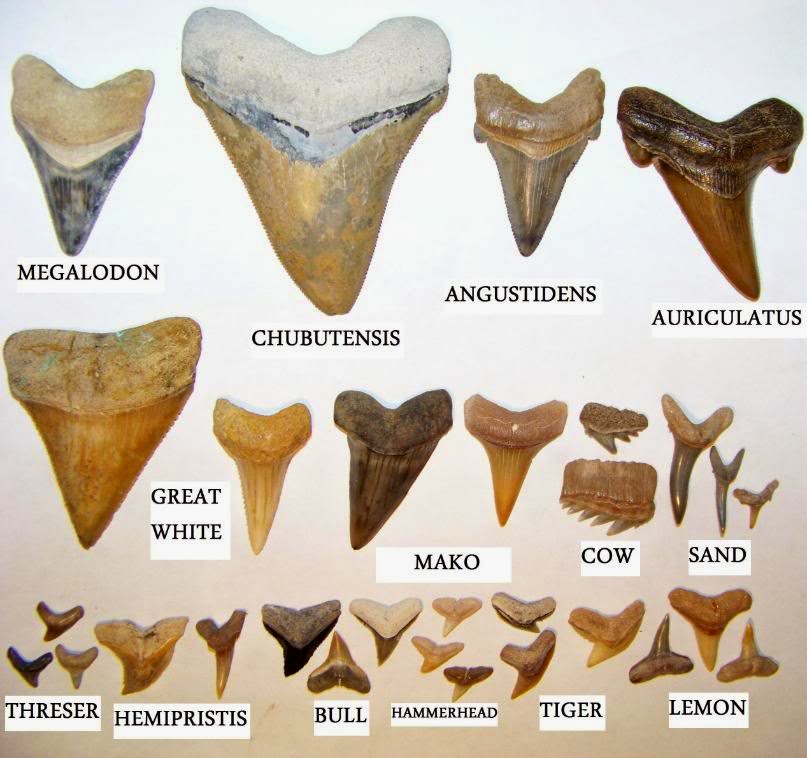

Different kinds of shark teeth


-Sharks teeth are not mature teeth like most animals, they are a constant regeneration of baby teeth.  Three rows of them actually, so they will NEVER go without the proper equipment to eat or catch their food!

-A great white shark bites at 1.8 tons of force.  His prehistoric relative, the Megalodon, used up to 18.2 tons of force.

-Unlike humans, sharks can unhinge their bottom jaws AND top jaws for better control of biting while trying to catch a fish.

-Luckily, if you can call it that, more than 80% of all human victims survive their attack.

-Sharks have built-in toothpaste!  The exterior of a shark's is made of fluoride. We recommend fluoride to patients to prevent decay.  In fact, sharks cannot even get cavities.  That's how beautiful their teeth are.

-A goblin shark can collapse his jaws in his mouth if he is not currently eating.

-Sharks generate 40,000 psi in a single bite.  That's enough to remove a limb.

-A shark date consists of a male finding a desired female and biting her.  OUCH!

-Not all sharks have a mouth full of large, serrated teeth. The basking shark have tiny teeth that aren't even designed for feeding.  The horn shark has molar-like teeth that it uses to crush hard-shelled prey.


Hope you enjoyed some of our shark facts.  Hope you enjoyed Shark Week!


"Top 100 Shark Facts" discovery.com. discoverycommunications,LLC, 18 Aug 2014. Web.        <http://www.discovery.com/tv-shows/shark-week/shark-facts/top-100-shark-facts.htm>

1/15/14

Are you flossing?

Has the dentist or hygienist asked you about your flossing habits lately? Did you know recent studies have shown that flossing daily can actually add up to 6 years to your life?  Although that estimate might be a little far-fetched, the thinking behind it is pretty sound. The reality is that poor oral hygiene can lead to nasty gum diseases like gingivitis and periodontitis. These inflammatory diseases can actually lead to a narrowing of the arteries, a common cause of cardiovascular disease. By simply brushing and flossing daily, we rid our mouths of the bacteria that cause inflammatory gum disease and reduce chances of heart problems.

Flossing is an essential part of any oral health care routine. The American Dental Association recommends flossing at least once a day to achieve optimal oral health. By flossing daily, you help remove plaque from the areas between your teeth where the toothbrush can't reach. This is important because plaque that is not removed by brushing and flossing can eventually harden into calculus or tartar. Flossing also helps prevent gum disease and cavities.

The most important thing about flossing is to do it. Pick a time of day when you can devote an extra couple of minutes to your oral hygiene. Dr. Morales recommends flossing at bedtime however, people who are too tired at the end of the day may benefit from flossing first thing in the morning or flossing after lunch.

And don’t forget, children need to floss too! You should be flossing your child’s teeth as soon as he or she has two teeth that touch. Because flossing demands more manual dexterity than very young children have, children are not usually able to floss well by themselves until they are age 10 or 11.

Keep in mind that flossing should not be painful. You may feel discomfort when you first start flossing, but don’t give up. With daily brushing and flossing, that discomfort should ease within a week or two. If your pain persists, talk to your dentist.

If you find flossing difficult, consider a different flossing method. People who have difficulty handling dental floss may prefer to use another kind of interdental cleaner such as a wooden plaque remover, dental pick or pre-threaded flosser. Ask your dentist how to use them properly to avoid injuring your gums. It could be that you simply need to try another type of dental floss—waxed, unwaxed, thick or comfort floss. Stick with it and you’ll have adopted a healthy hobby for life.

Here are some tips on how to properly floss your teeth:
 

1. Break off about 18 inches of floss and wind most of it around one of your middle fingers. Wind the remaining floss around the same finger of the opposite hand. This finger will take up the floss as it becomes dirty.


2. Hold the floss tightly between your thumbs and forefingers.


3. Guide the floss between your teeth using a gentle rubbing motion. Never snap the floss into the gums. 


4. When the floss reaches the gum line, curve it into a C shape against one tooth. Gently slide it into the space between the gum and the tooth.


5. Hold the floss tightly against the tooth. Gently rub the side of the tooth, moving the floss away from the gum with up and down motions. Repeat this method on the rest of your teeth. Don’t forget the back side of your last tooth. 


Look for products that contain the ADA Seal of Acceptance so you know they have been evaluated for safety and effectiveness.


(Source: mouthhealthy.org/flossing)

1/9/14

The Importance of Screening for Oral Cancer

Did you know almost 41,000 Americans will be diagnosed with oral and throat cancers this year? And that the 5-year survival rate of those diagnosed is only slightly more than 64 percent? When cancer is detected and treated early, treatment-related health problems are reduced.

The oral cavity includes your lips, cheek lining, gums, front part of your tongue, floor of the mouth beneath the tongue and the hard palate that makes up the roof of your mouth. The throat (pharynx) starts at the soft part of the roof of your mouth and continues back into your throat. It includes the back section of your tongue as well as the base where the tongue attaches to the floor of your mouth.

During your dental visit, your dentist can talk to you about your health history and examine these areas for signs of mouth and/or throat cancer. The screening will consist of a visual inspection of the mouth and palpation of the jaw and neck. Regular visits to your dentist can improve the chances that any suspicious changes in your oral health will be caught early, at a time when cancer can be treated more easily. In between visits, it's important to be aware of the following signs and symptoms and to see your dentist if they do not disappear after two weeks. The symptoms of mouth or throat cancer can include:
  • a sore or irritation that doesn't go away
  •  red or white patches
  • pain, tenderness or numbness in mouth or lips
  • a lump, thickening, rough spot, crust or small eroded area
  • difficulty chewing, swallowing, speaking or moving your tongue or jaw
  • a change in the way your teeth fit together when you close your mouth

Research has identified a number of factors that contribute to the development of mouth and throat cancers. Smokers and excessive alcohol drinkers older than 50 are the most at risk. More recently, the human papilloma virus (HPV), which is sexually transmitted, has been associated with cancers of the oropharyngeal region that is the part of the throat at the back of the mouth. HPV-positive oropharyngeal cancers are related to the increasing incidence of throat cancers in non-smoking adults.

HPV-positive oropharyngeal cancers typically develop in the throat at the base of the tongue and near or on the tonsils making them difficult to detect. Although HPV-positive oropharyngeal cancers are often diagnosed at a later stage, people with HPV-positive cancers have a lower risk of dying or having recurrence than those with HPV-negative cancers. It is likely that there is a complex interaction of many external and internal factors that play a role in the development of HPV-positive cancers.

Keeping your mouth healthy during treatment:
According to the National Institute of Dental and Craniofacial Research (NIDCR), the first thing you should do before beginning cancer treatment is to see your dentist. After your treatment begins, be sure to check your mouth every day for sores or other changes.

Other NIDCR tips to keep your mouth moist:
  • Keep your mouth moist.
  •  Drink a lot of water.
  • Suck ice chips.
  • Use sugarless gum or sugar-free hard candy.
  • Use a saliva substitute to help moisten your mouth.

Tips for cleaning your mouth:
  • Brush your teeth, gums, and tongue with an extra-soft toothbrush after every meal and at bedtime. If it hurts, soften the bristles in warm water.
  • Use a fluoride toothpaste.
  •  Use the special fluoride gel that your dentist prescribes.
  • Don't use mouthwashes with alcohol in them.
  • Floss your teeth gently every day. If your gums bleed and hurt, avoid the areas that are bleeding or sore, but keep flossing your other teeth.
  • Rinse your mouth several times a day with a solution of 1/4 teaspoon each of baking soda and salt in one quart of warm water. Follow with a plain water rinse.
  • Dentures that don't fit well can cause problems. Talk to your cancer doctor or dentist about your dentures.


Source: mouthhealthy.org/oralcancer

12/23/13

Bad Breath Breakdown, What Could be Causing Yours?

There are many reasons why you might have bad breath. You can get it if you don't brush and floss regularly. Bacteria that build up in your mouth and between your teeth produce the bad odor. Other problems in your mouth, such as gum disease, dry mouth or cavities, may also cause it. Sinusitis or problems with your nose may be to blame. You can also have bad breath if you eat some foods, like raw onions, garlic or cabbage. And of course smoking causes its own bad aroma. Some diseases and medicines are associated with a specific breath odor.

Having good dental habits, like brushing and flossing regularly, help fight bad breath. Mouthwashes, mints or chewing gum may make your breath fresher. If you have an underlying disorder, treating it may help eliminate the breath odor.


Why is saliva so important in the fight against bad breath?

Saliva is the key ingredient in your mouth that helps keep the odor under control because it helps wash away food particles and bacteria, the primary cause of bad breath. When you sleep, however, salivary glands slow down the production of saliva, allowing the bacteria to grow inside the mouth. To alleviate "morning mouth," brush your teeth and eat a morning meal. Morning mouth also is associated with hunger or fasting. Those who skip breakfast, beware, because the odor may reappear even if you've brushed your teeth.

Do certain foods cause bad breath?

Very spicy foods, such as onions and garlic, and coffee may be detected on a person's breath for up to 72 hours after digestion. Onions, for example, are absorbed by the stomach, and the odor is then excreted through the lungs. Studies have even shown that garlic rubbed on the soles of the feet can show up on the breath.

Does bad breath come from other sources than the mouth?

Bad breath may also occur in people who have a medical infection, diabetes, kidney failure or a liver malfunction. Xerostomia (dry mouth) and tobacco also contribute to this problem. Cancer patients who undergo radiation therapy may experience dry mouth. Even stress, dieting, snoring, age and hormonal changes can have an effect on your breath. An odor that comes from the back of your tongue may indicate postnasal drip. This is where mucus secretion, which comes from the nose and moves down your throat, gets stuck on the tongue and causes an odor.

How do I control bad breath?

It is important to practice good oral hygiene, such as brushing and flossing your teeth at least twice a day. Proper brushing, including brushing the tongue, cheeks and the roof of the mouth, will remove bacteria and food particles. Flossing removes accumulated bacteria, plaque and food that may be trapped between teeth. To alleviate odors, clean your tongue with your toothbrush or a tongue scraper, a plastic tool that scrapes away bacteria that builds on the tongue. Chewing sugar-free gum also may help control odor. If you have dentures or a removable appliance, such as a retainer or mouth guard, clean the appliance thoroughly before placing it back in your mouth. Before you use mouth rinses, deodorizing sprays or tablets, talk with your dentist, because these products only mask the odor temporarily and some products work better than others.

What is my dentist's role?

Visit your dentist regularly, because checkups will help detect any physical problems. Checkups also help get rid of the plaque and bacteria that build up on your teeth. If you think that you suffer from bad breath, your dentist can help determine its source. He or she may ask you to schedule a separate appointment to find the source of the odor. Or, if your dentist believes that the problem is caused from a systemic (internal) source, such as an infection, he or she may refer you to your family physician or a specialist to help remedy the cause of the problem.

12/17/13

Understanding Gum Disease


Gum disease is an infection of the tissues that surround and support your teeth. It is a major cause of tooth loss in adults. Because gum disease is usually painless, you may not know you have it. Also referred to as periodontal disease, gum disease is caused by plaque, the sticky film of bacteria that is constantly forming on our teeth.

Here are some warning signs that can signal a problem:

  • gums that bleed easily
  • red, swollen, tender gums
  • gums that have pulled away from the teeth
  • persistent bad breath or bad taste
  • permanent teeth that are loose or separating
  • any change in the way your teeth fit together when you bite
  • any change in the fit of partial dentures

Some factors increase the risk of developing gum disease. They are:

  • poor oral hygiene
  • smoking or chewing tobacco
  • genetics
  • crooked teeth that are hard to keep clean 
  • pregnancy 
  • diabetes 
  • medications, including steroids, certain types of anti-epilepsy drugs, cancer therapy drugs, some calcium channel blockers and oral contraceptives
See your dentist if you suspect you have gum disease because the sooner you treat it the better. The early stage of gum disease is called gingivitis. If you have gingivitis, your gums may become red, swollen and bleed easily. At this stage, the disease is still reversible and can usually be eliminated by a professional cleaning at your dental office, followed by daily brushing and flossing.

Advanced gum disease is called periodontitis. Chronic periodontitis can lead to the loss of tissue and bone that support the teeth and it may become more severe over time. If it does, your teeth will feel loose and start moving around in your mouth. This is the most common form of periodontitis in adults but can occur at any age. It usually gets worse slowly, but there can be periods of rapid progression.

Aggressive periodontitis is a highly destructive form of periodontal disease that occurs in patients who are otherwise healthy. Common features include rapid loss of tissue and bone and may occur in some areas of the mouth, or in the entire mouth.

Research between systemic diseases and periodontal diseases is ongoing. While a link is not conclusive, some studies indicate that severe gum disease may be associated with several other health conditions such as diabetes or stroke.

It is possible to have gum disease and have no warning signs. That is one reason why regular dental checkups and periodontal examinations are very important. Treatment methods depend upon the type of disease and how far the condition has progressed. Good dental care at home is essential to help keep periodontal disease from becoming more serious or recurring.

Remember: You don’t have to lose teeth to gum disease. Brush your teeth twice a day, clean between your teeth daily, eat a balanced diet, and schedule regular dental visits for a lifetime of healthy smiles.


Source:
"Gum Disease.". Mouth Healthy. 17 December 2013. http://www.mouthhealthy.org/en/az-topics/g/gum-disease

12/9/13

Professional Teeth Whitening with Boost!


Whiten your smile today!

It's that time of year again. The time for glittering holiday parties and annual family photos in front of the tree. Having that brighter, whiter smile you've always wanted is easier to achieve than you might think!

Many factors make teeth lose their luster. Genetics is one factor; some people just have whiter teeth. Other factors include cigarette smoking, dark foods and beverages (including coffee, soda, tea and red wine), age, medications, and tooth trauma.

Opalescence is a professional whitening treatment, so powerful and effective it is only dispensed by dentists. Proven successful at providing dramatic, long lasting results, it has received many awards in the dental world.

For a brighter, whiter smile without the wait, choose Opalescence Boost, an in-office, chemically activated whitening treatment that offers results in less than an hour. It's ideal for people who want instant whitening gratification or those who have that special event, like that company holiday party, coming up that requires a bright, white smile.        
  • Opalescence Boost contains PF (potassium nitrate and fluoride). Potassium nitrate has been shown to help reduce sensitivity. Fluoride has been shown to help reduce caries (cavities) and strengthen enamel. Together they help to improve the overall health of the teeth.                
  • Boost is chemically activated, so there's no hot, uncomfortable light needed.
  • Dentist-applied treatment.
  • Provides dramatic results in about an hour!
You may be asking yourself a few important questions. Some of the most frequently asked questions include:

Q. Will bleaching weaken my teeth?
A. No, bleaching will not weaken your teeth. In fact, Opalescence contains a patented concentration of potassium nitrate and fluoride designed to strengthen enamel and prevent cavities. Bleaching will not weaken existing fillings or cements either.

Q. Will bleaching cause tooth sensitivity?
A. Some people experience sensitivity while whitening, but many do not. Sensitivity does not mean damage has been caused to your teeth. It is temporary and typically disappears within a few days.

Q. How long do whitening results last?
A. Bleaching results typically last several years. If your teeth start to discolor again over time, you can simply repeat a whitening treatment.

Don't wait any longer to get the smile you've always wanted. Give us a call today and speak with one of our dental professionals about Opalescence Boost In-Office Whitening Treatment!


10/18/13

CEREC

What is CEREC? 

In 1985, Sirona Dental Systems changed the face of dentistry by creating CEREC dental restorations. To date, CEREC is the only method that offers single-visit chair side restoration. All-ceramic crowns are fabricated and placed in one easy dental appointment! CEREC is fast, safe, and provides a natural-looking restoration that will stand the test of time.

CEREC does more than just crowns – this revolutionary system is also used for:

    cerec, one visit crown Orlando
  • Inlays and onlays
  • Veneers for chipped or discolored front teeth
  • New fillings
  • Replacing old amalgam fillings

Why choose CEREC?

A significant benefit of CEREC is that it's healthier than other restorative options. In the past, almost all restorations were done with gold, amalgam, or other metals. CEREC uses all-ceramic material that is durable and biocompatible with your teeth. In other words, it is safe and is resistant to wear.

CEREC also allows your dentist to save more of the healthy tooth structure. Teeth that would have previously been lost can now be restored with CEREC inlays and onlays. This is because CEREC's state-of -the-art bonding requires only a small amount of tooth structure to restore the tooth to it's full function. In addition, CEREC is used to create beautiful veneers, restoring chipped or discolored front teeth.

Another advantage of CEREC is that the entire procedure is done in one visit, from start to finish. This means less time is spent at the office, in the chair, getting shots, and having your teeth drilled! Before, getting a crown meant two visits to the dentist. First you had to go in to have the tooth prepared, an impression taken, and a temporary crown put on. Sometimes this temporary would fall off in between appointments, which meant an extra visit to have it put back on. Then you had to return a few weeks later to have the temporary removed and the permanent crown cemented into place. Thanks to CEREC, multiple trips to the dentist are no longer needed to achieve beautiful and long-lasting dental restorations.

How does CEREC work?

First your dentist will examine your teeth to determine what type of restoration is best for you. After tooth preparation an optical impression of your teeth is taken using a special 3D camera. The image is transferred to the computer, where your restoration is fashioned using computer aided design (CAD). This technology takes every clinical detail of your case into consideration, creating the most precise restoration. Next, these exact specifications are sent to our in-office milling machine. In a mere 20 minutes, this state-of-the-art device fabricates your custom, color-matched restoration.

Finally, your restoration is fitted, polished, and bonded in place. The entire process only takes 1-2 hours, depending on the extent of your dental work. Today, more than 20 million CEREC restorations have been completed worldwide, and this number keeps growing. CEREC remains one of the most trusted methods of restoration within the dental community, and for good reason!

Do you live in or around Orlando? Call East Orlando Dental today to find out more about CEREC single-visit restorations.